How Much Does Video Production Actually Cost in 2026?
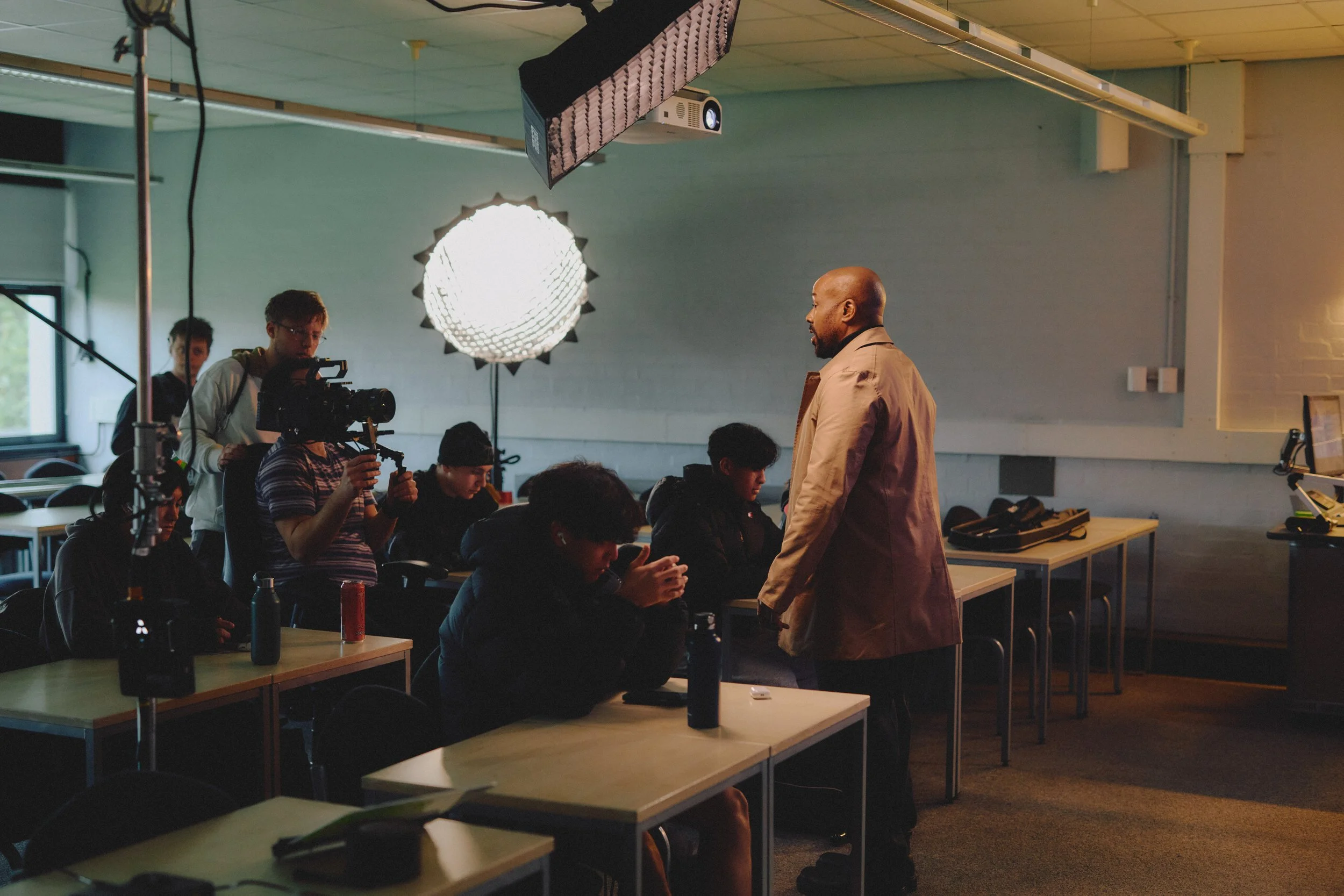
If you've ever asked a production company "so, how much would this cost?" and got back "it depends" — we get it. It's not a dodge, it's genuinely true. But it's also not much use when you're trying to put a number in front of your finance team. So here's our honest breakdown of what video production costs in 2026, and why.
Quick answer first
Most professional video production in the UK falls somewhere between £1,500 and £25,000+. That's a huge range, we know — but here's roughly how it breaks down by type:
Simple talking-head or interview video with cutaway footage: £1,500 – £6,000+ (+ VAT)
Brand film or campaign video (one to two shoot days): £3,000 – £15,000+ (+ VAT)
High-end brand or broadcast-quality campaign: £25,000+ (+ VAT)
Animation or motion graphics: £3,000 – £10,000+ (+ VAT)
What actually drives the price
The length of the video matters less than people think. What really moves the number is:
Crew size. A solo videographer running camera, audio and lighting themselves might cost £600–£1,000 a day. Bring in a proper 3-person crew — camera op, sound, someone directing — and you're looking at £2,500–£4,500 a day. Neither is "wrong," they're just different tools for different jobs.
Shoot days. This is the big one. Every extra location or extra day adds crew costs, travel, and kit hire on top. If your brief can realistically be captured in one day, say so early — it's the single easiest way to keep a budget sane.
Post-production. People often forget this is 30–40% of the total cost on a proper brand film. Editing, colour grading, sound design, motion graphics, subtitles, and cutting different versions for social vs. web all take real time.
Talent and locations. Hiring actors or presenters, or renting a studio/branded location instead of using your own offices, adds cost fast. Nothing wrong with using your own space and your own people — it just changes the budget, not necessarily the quality.
Turnaround time. Need it in a week instead of a month? Expect a rush fee, typically 25–50% on top. Production companies aren't being greedy — fast turnarounds mean bumping your job ahead of someone else's.
Why quotes for "the same brief" can look wildly different
You'll often get three quotes for what feels like the same video and they'll be nowhere near each other — say, £5k, £8k and £12k. That's usually not one company ripping you off. It's that they're quietly quoting different things: different crew sizes, different kit, different amounts of post-production, different revision policies. The fix isn't picking the cheapest number, it's asking each company to itemise what's actually included.
Getting more for your budget
A few things genuinely move the needle without inflating the invoice:
Batch your shoots. If you need multiple videos, film them on the same day where you can. One well-planned shoot day can realistically deliver a hero video, a couple of social cut-downs, and some behind-the-scenes content — all from the same setup.
Nail the brief before you shoot. The single biggest cause of budget overrun isn't the filming, it's under-preparation. A clear brief means less time (and money) spent fixing things in the edit.
Plan your versions early. If you know you'll need a 30-second vertical cut for Instagram alongside the main film, say so at the brief stage — not after the edit's locked.
Give it time. Rush fees are real and avoidable. If your timeline allows it, standard turnaround will always beat a rushed one on price.
Is a bigger budget always better?
Not necessarily. A tightly scoped project with a clear brief and a good production partner can look excellent without a five-figure spend — it just means being realistic about what that budget can deliver, and not trying to cram broadcast-scale ambitions into a single-day shoot.
The bottom line
There's no single "right" price for a video — only the right price for what you actually need. If you're planning a project and want a straight answer instead of a rate card, get in touch and we'll talk it through properly.